The Unspoken Rules of My Family
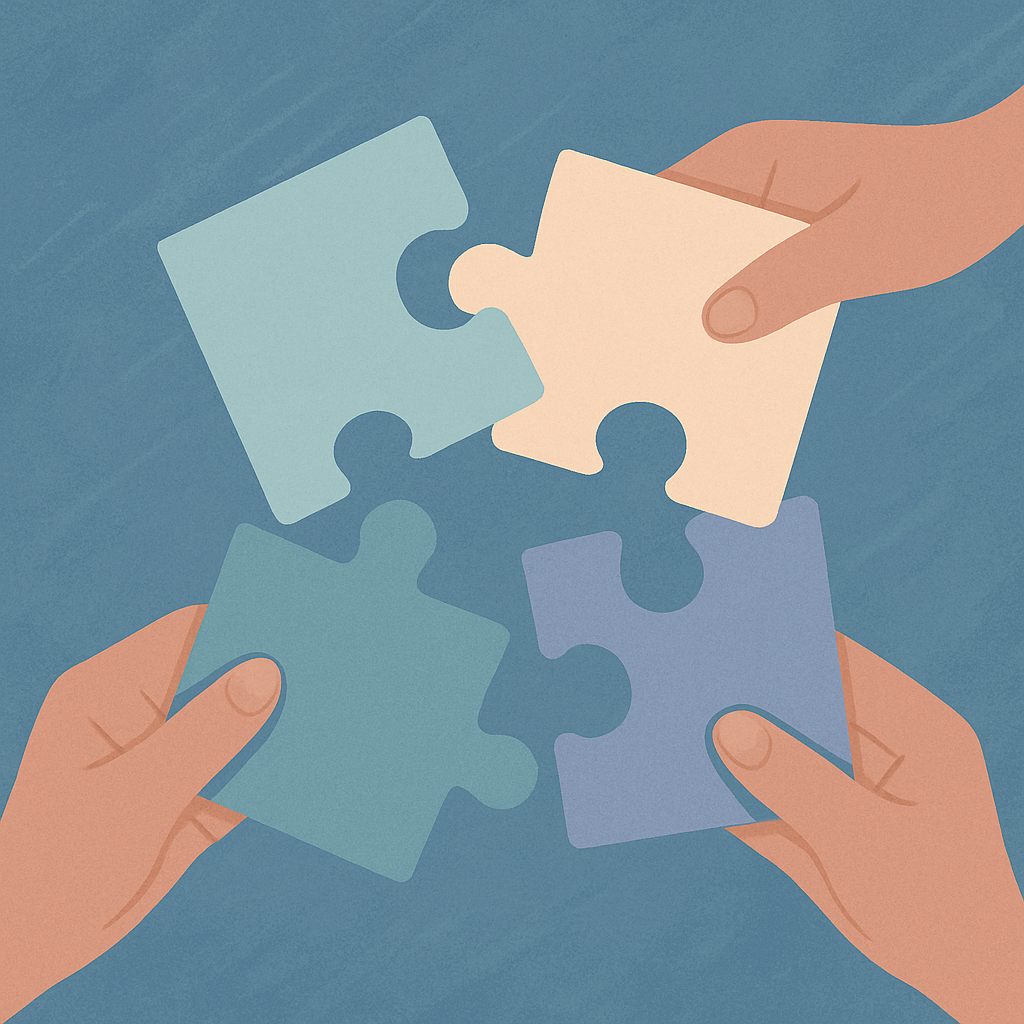
Every family has unspoken rules—things you “just know” not to do or say.
In my family, the spoken motto between siblings was ignorance is bliss. Our parents were so strict that we learned early to hide almost everything from them just to get an ounce of freedom. That secrecy created a strange kind of sibling bond. Cover for me while I’m out. Call me if they check in. Pretend I’m sleeping.
But there was another rule we never said out loud: Unless your problem is a 10, figure it out yourself.
- A “10” wasn’t a bad day. It meant:
- A run-in with the police or another authority figure
- An unexpected pregnancy
- Being on the verge of death
Everything else? You handled it alone. Not because there wasn’t love, but because we were all dealing with our own battles—internally and externally. The trouble with a “10” is that it’s subjective. What feels like a crisis to one person might not even register for another.
Growing Up Between Worlds
I was thirteen years younger than my oldest sibling, and four years younger than the one closest to me. The age gap made connection hard. When I was in kindergarten, my oldest sister was in college.
By middle school, I was navigating puberty while one sister was focused on college applications and my oldest was paying off student loans. I looked up to them, but I didn’t want to disappoint them. Unless something felt like a “10,” I kept it to myself.
Sometimes I tested the waters—a curious question here, a small ask there—but it often shut down quickly. That’s a stupid question. You just want attention. Practical questions like how to fill out FAFSA forms or file taxes were met with: We figured it out, so can you.
So I did. Or at least, I tried.
When Our 10s Didn’t Match
I learned to keep things inside until they boiled over.
When my sisters found out I was on the verge of flunking out of my program, they drove hours to see me. They invited me to lunch—something they never did. I thought it was a kind gesture. It was an intervention. They blamed me for partying so much or I was so dumb I need to try harder. Re-established the importance of graduating on time so I wouldn’t be a disappointment to my parents.
To them, my academic probation was a 10. To me, it wasn’t. I was already trying to fix it. I had a plan to pass the class. What they didn’t know was that I was in a toxic relationship with a boyfriend who belittled me daily. My grades were suffering because of that, but so was my sense of self.
When I tried to explain, I was met with: He’s a good person. You’re the one being difficult. You should be grateful he loves you. You need to get your act together and get back on track. The problem, they said, was me. So I swallowed it. I learned to see myself as the problem.
Later that year, I graduated. On graduation night, after a fight with that same boyfriend, I slit my wrist and ended up in the hospital for stitches. I never told anyone. In my mind, it wasn’t a 10—I wasn’t dying. And deep down, I believed they would blame me anyway.
If a 10 was something you couldn’t hide, I was determined never to let it get that far.
The Cost of Hiding
The thing about hiding is that it doesn’t protect you forever. It piles up. It hardens. It turns into resentment—against your siblings, your family, and yourself.
It wasn’t until years later, after a breakdown and moving overseas, that I came back to the States and told them about the darker moments. By then, I had already started healing. And in speaking it out loud, I began to see something I hadn’t before.
A Shift in Perspective
The unspoken rules shaped me—but they also fractured the bond I had with my siblings. For years, we played our parts so well that we didn’t notice the distance it created. I hid my struggles to protect myself, but also to protect them from the weight of my problems. In the process, we never had the chance to really know each other beyond the roles we were assigned.
Speaking my truth didn’t erase the past, but it loosened its hold on me. The first time I shared pieces of my story, it was awkward. We weren’t used to being this open. But the more I talked about it, the more I realized that the silence had cost us more than the truth ever could. Little by little, I began to heal—and with that healing came the chance to mend bonds I thought were broken beyond repair.
Maybe it’s age. Maybe it’s the exhaustion of holding up a perfect image for so long. But the older we get, the more space we seem to have for each other’s imperfections. The more the unspoken rules start to lose their power. We begin to understand that we were all just trying to survive in the same system, following the same rules we didn’t make but felt we had to obey.
And in that understanding, I’ve found something I didn’t expect: not just forgiveness, but connection.