The Power of Letting My Worlds Collide
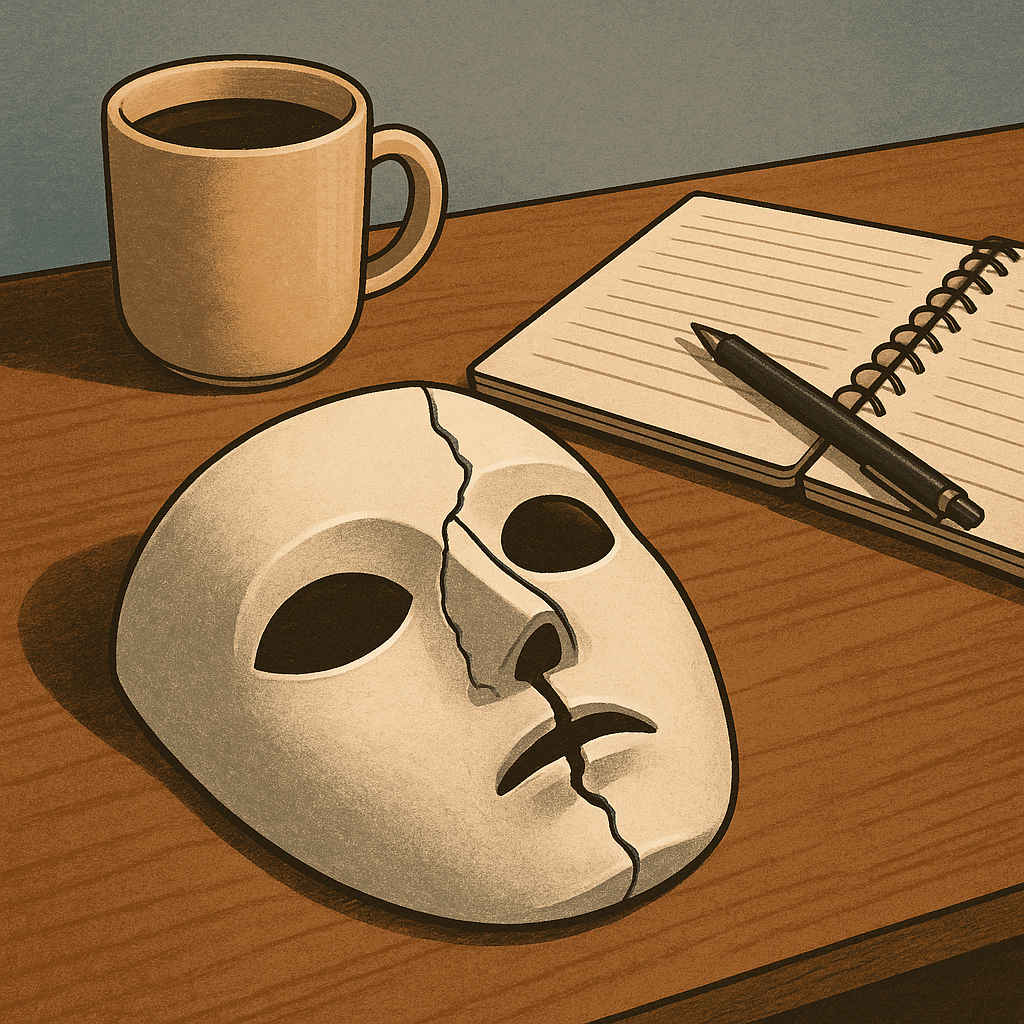
For most of my life, work was work. Family was family.And everything else was compartmentalized in their own separate boxes
I thought this separation kept me safe. If no one knew the real me, they couldn’t judge me. They couldn’t see the messy, imperfect parts. In a world where everyone seemed to be striving for polished perfection, I figured invisibility was easier than vulnerability.
And for a while, it worked—at least on the surface. My career moved forward, my family wasn’t ashamed, my personal life stayed tucked away, and everything else stayed hidden, my worlds rarely touched.
The Shift
That changed when I became a manager.
I quickly learned that leadership isn’t about just setting direction or checking tasks off a list—it’s about people. And people don’t respond to walls. They respond to trust.
If I wanted to help my team grow—not just as employees, but as people—I had to listen deeply. And to truly listen, I had to let my own guard down. Some people didn't talk about about work, but about issue they were going through mentally and outside of work..
Being a good manager meant being more than competent. It meant being human.
Learning to Show Up as Myself
Vulnerability didn’t come naturally. At first, I shared small things—stories from my career, a personal lesson learned the hard way. But over time, I realized something surprising: the more I opened up, the more others did too.
When I talked about moments of doubt or times I had failed, people didn’t pull away. They leaned in. And the conversations that followed weren’t just about work—they were about courage, resilience, and figuring life out.
I used to believe that if I wasn’t perfect, no one would truly respect or value me. But the more vulnerable I became, the more genuine my connections felt. For the first time in my life, I felt like I was real.
Why I’m Not Hiding Anymore
When I wrote my first book, I was terrified to share it. But not a lot thought no one would read it—and many didn’t. But the people who did read it connected with it in a way I hadn’t expected.
It taught me something that’s hard to learn when you’ve spent your life protecting yourself: You don’t need to be perfect to be loved or respected. You just need to be authentic.
These days, I no longer try to keep my worlds separate. My work self and personal self are one and the same—flawed, learning, showing up anyway.
Because real leadership isn’t about projecting perfection. It’s about creating a space where people can be themselves—and realizing you belong in that space too.